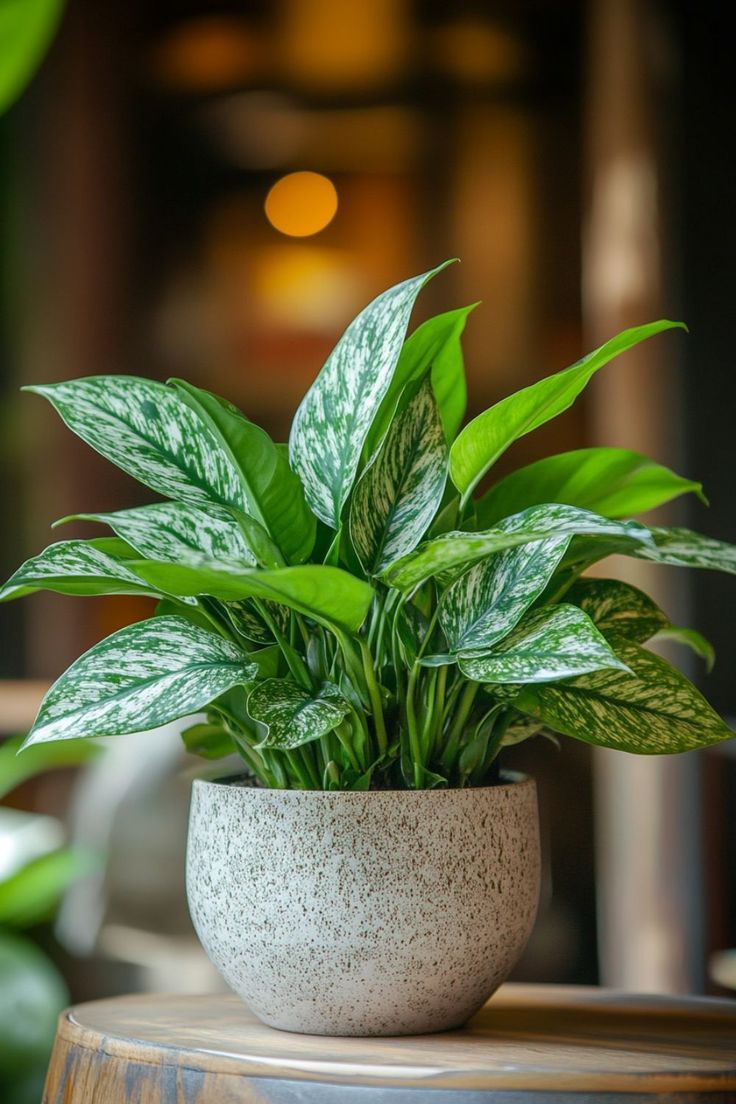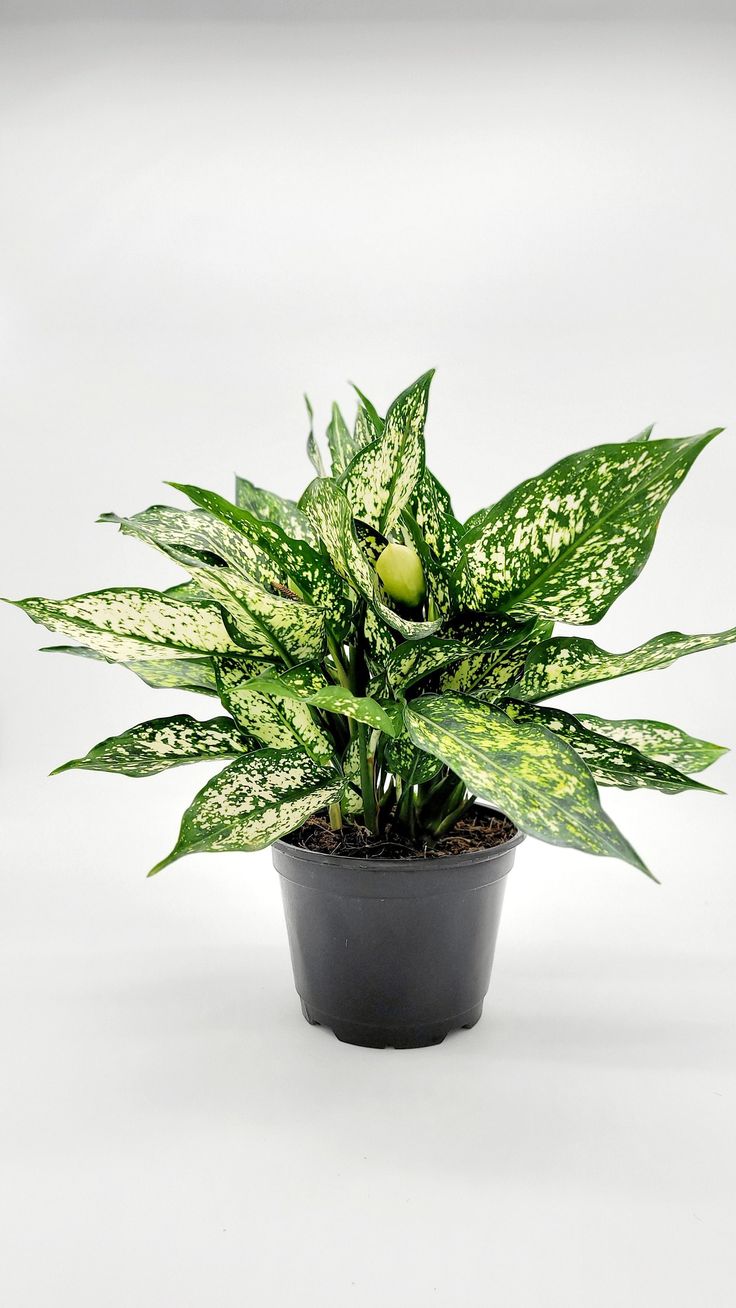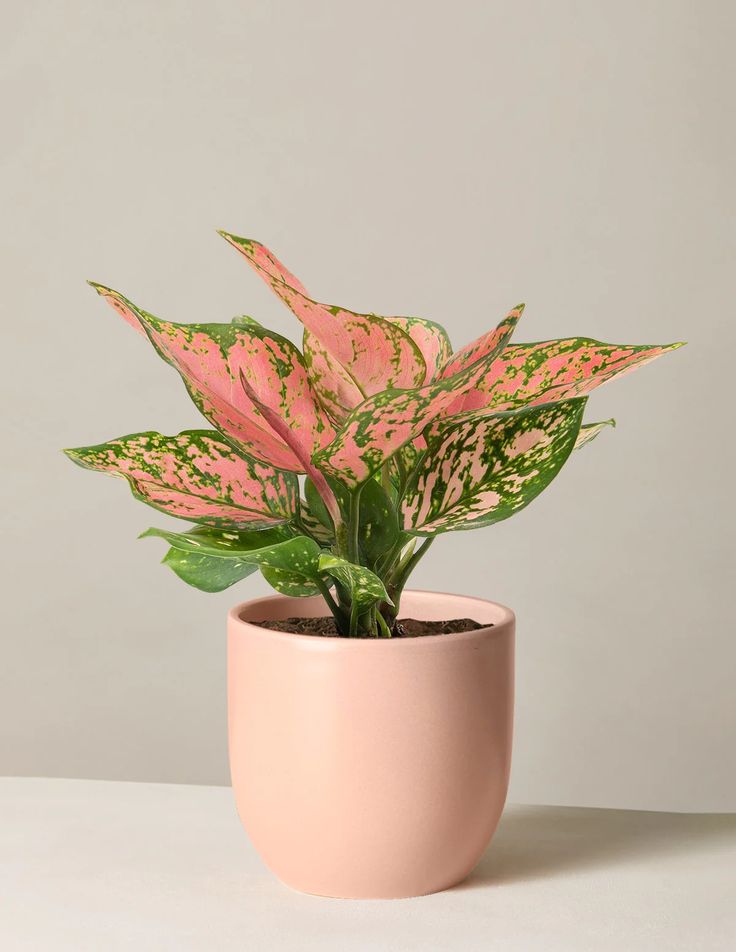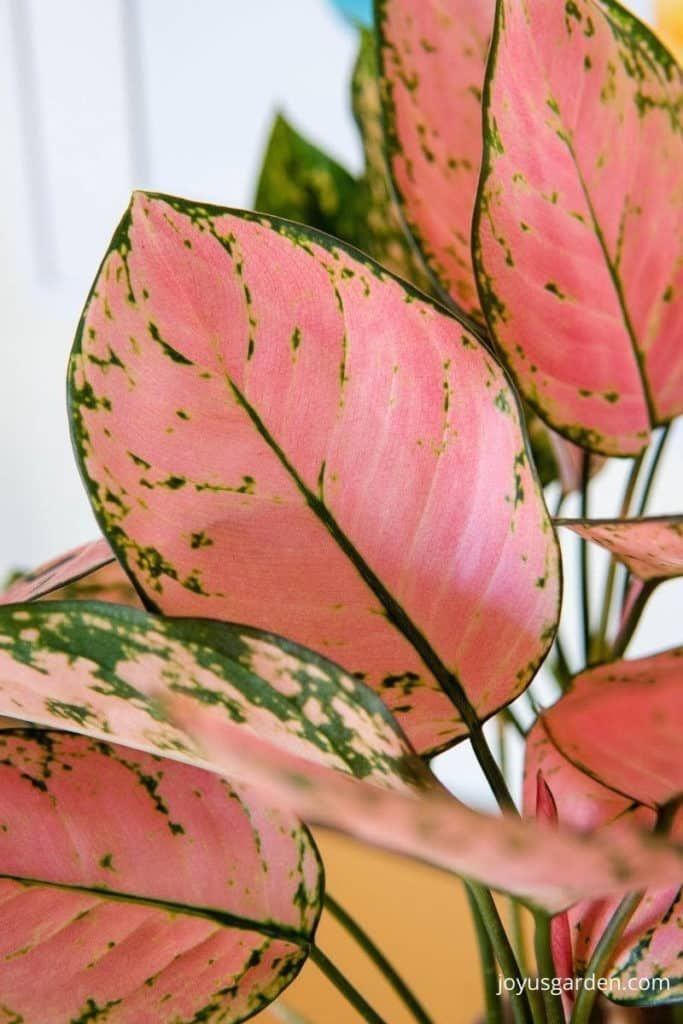
🌺 Anthurium – The Exotic Icon of Elegance and Tropical Luxury
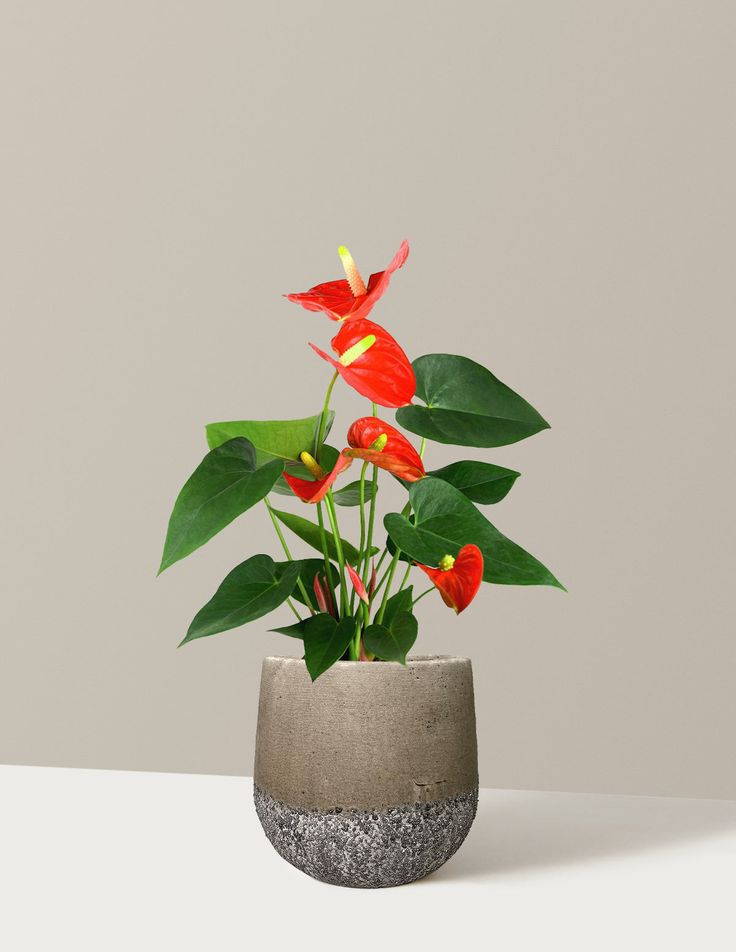
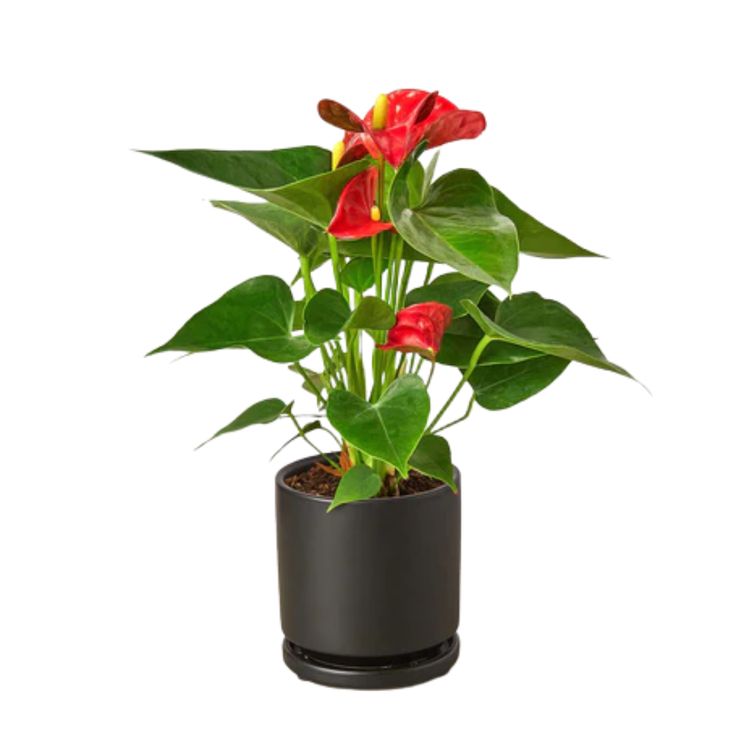
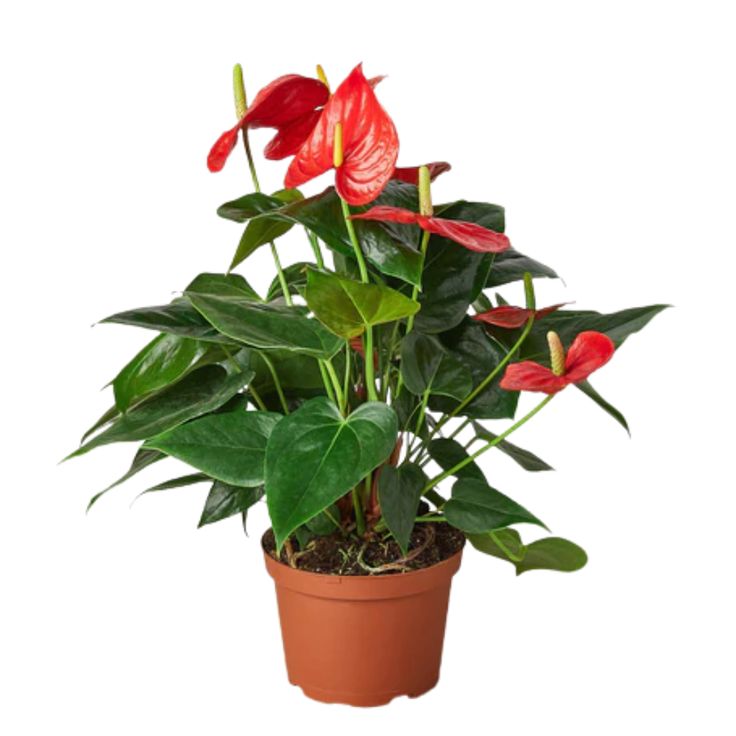
Anthurium, often referred to as the Flamingo Flower, Painter’s Palette, or Tailflower, is a stunning tropical plant celebrated for its glossy, heart-shaped leaves and vibrant, waxy blooms. Native to the rainforests of Central and South America, this exotic beauty belongs to the Araceae family and brings a bold splash of color and sophistication to any indoor or outdoor space.
With over 1,000 known species and hybrids, Anthuriums are prized for their long-lasting flowers, ornamental foliage, and air-purifying qualities. Whether you’re a seasoned plant collector or a first-time buyer, Anthurium offers a perfect blend of visual drama and easy care.
🌿 Botanical Profile
- Scientific Name: Anthurium spp.
- Common Names: Flamingo Flower, Tailflower, Laceleaf, Painter’s Palette
- Family: Araceae
- Origin: Tropical Americas
- Plant Type: Evergreen perennial
🌸 Visual Appeal & Structure
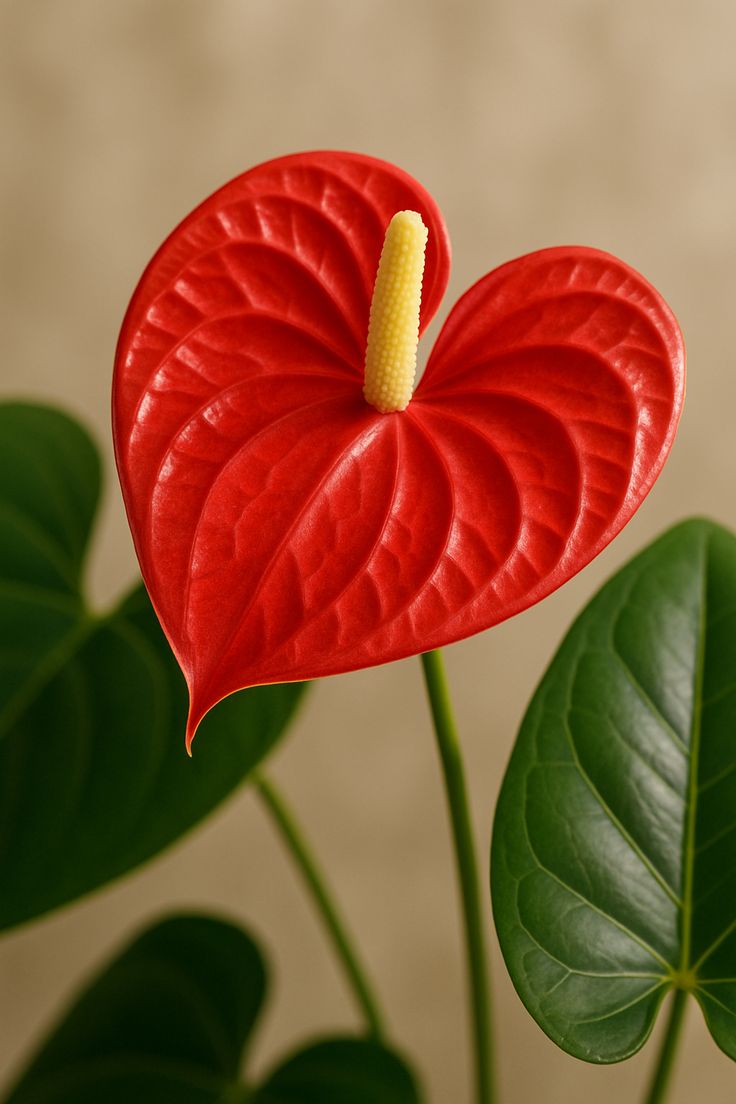
Anthuriums are instantly recognizable by their striking inflorescence, which consists of:
- A spathe: a colorful, modified leaf that resembles a petal. It can be red, pink, white, green, purple, or even bicolored.
- A spadix: a central spike that holds the tiny true flowers, often yellow, white, or orange.
The plant’s leaves are equally captivating—large, leathery, and often heart- or lance-shaped, with a deep green sheen. Some varieties, like Anthurium clarinervium and Anthurium crystallinum, are grown specifically for their dramatic foliage featuring bold white veins.
🌞 Light & Environment
Anthuriums thrive in warm, humid environments with filtered light. They mimic their native rainforest conditions best when placed in bright, indirect sunlight.
- Light: Bright, indirect light (avoid direct sun)
- Temperature: 20–30°C (68–86°F)
- Humidity: 60–80% preferred
- Soil: Well-draining, organic-rich mix (ideal: coco peat + leaf mold)
💧 Watering & Maintenance
Anthuriums are relatively low-maintenance but require consistent care:
- Watering: Keep soil evenly moist but not soggy. Allow the top inch to dry out between waterings.
- Fertilizer: Use a balanced liquid fertilizer every 4–6 weeks during growing season.
- Repotting: Every 2–3 years or when root-bound
🌬️ Air-Purifying Benefits
Like many members of the Araceae family, Anthuriums are known to improve indoor air quality. They help remove airborne toxins such as formaldehyde, ammonia, and xylene, making them both beautiful and functional additions to homes and offices.
⚠️ Safety Note
Anthuriums contain calcium oxalate crystals, which can be toxic if ingested. Keep them out of reach of pets and small children to avoid irritation or digestive discomfort.
🌟 Popular Varieties
Here are some standout Anthurium types for collectors and enthusiasts:
| Variety | Features |
|---|---|
| Anthurium andraeanum | Classic red spathe with yellow spadix; most common variety |
| Anthurium scherzerianum | Curved spadix and bright orange spathe |
| Anthurium clarinervium | Velvet-textured leaves with white veins; grown for foliage |
| Anthurium crystallinum | Large, heart-shaped leaves with silvery veins |
| Anthurium ‘Midori’ | Unique green spathe; elegant and rare |
| Anthurium ‘Ace of Spades’ | Deep purple-black foliage; dramatic and luxurious |
You can explore more varieties on .
🌱 Propagation & Cultivation
Anthuriums can be propagated through:
- Stem cuttings
- Basal offshoots
- Tissue culture (common in commercial nurseries)
They grow well in pots, raised beds, or hanging baskets. For best results, maintain high humidity and use misting or overhead sprinklers to simulate rainforest conditions.
🎁 Ideal For
- Home décor and interior styling
- Corporate gifting and green office spaces
- Wedding arrangements and floral displays
- Botanical collectors and rare plant enthusiasts
Tulsi Plant
Money Plant
Snake Plant
Indian Christmas Tree
Golden Money Plant
ZZ plant
Philodendron plant
Ixora Plant (Ixora coccinea)
Bird Of Paradise