• Call Us: (+91) 91119 61321

Shop

-38%

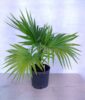
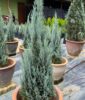
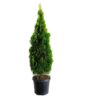
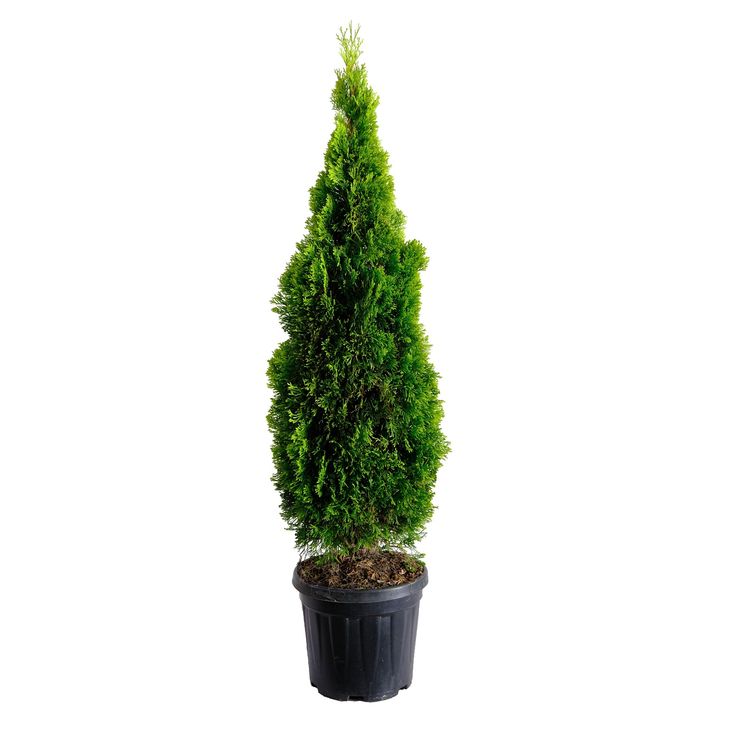
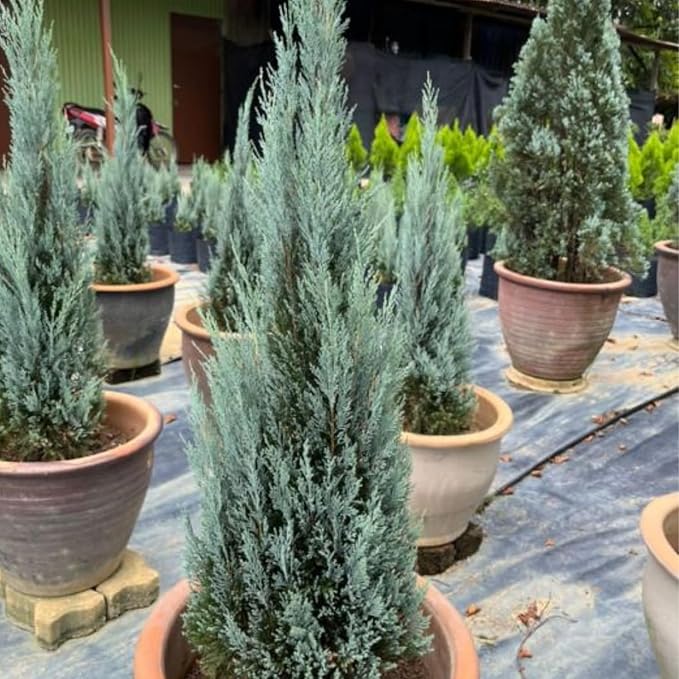
Thuja plant

Original price was: ₹799.00.Current price is: ₹499.00.

🌲 Thuja – Evergreen Elegance for Structured Landscapes

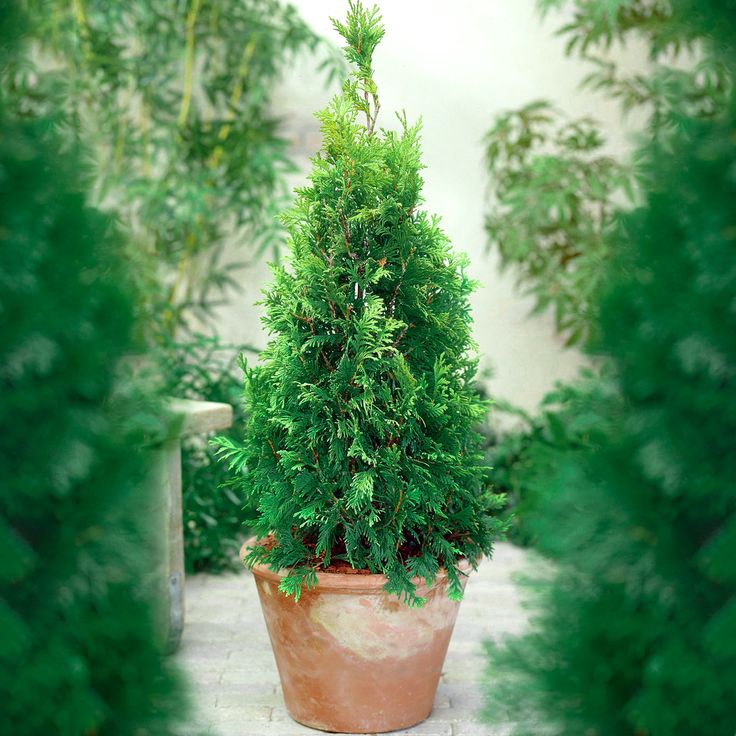
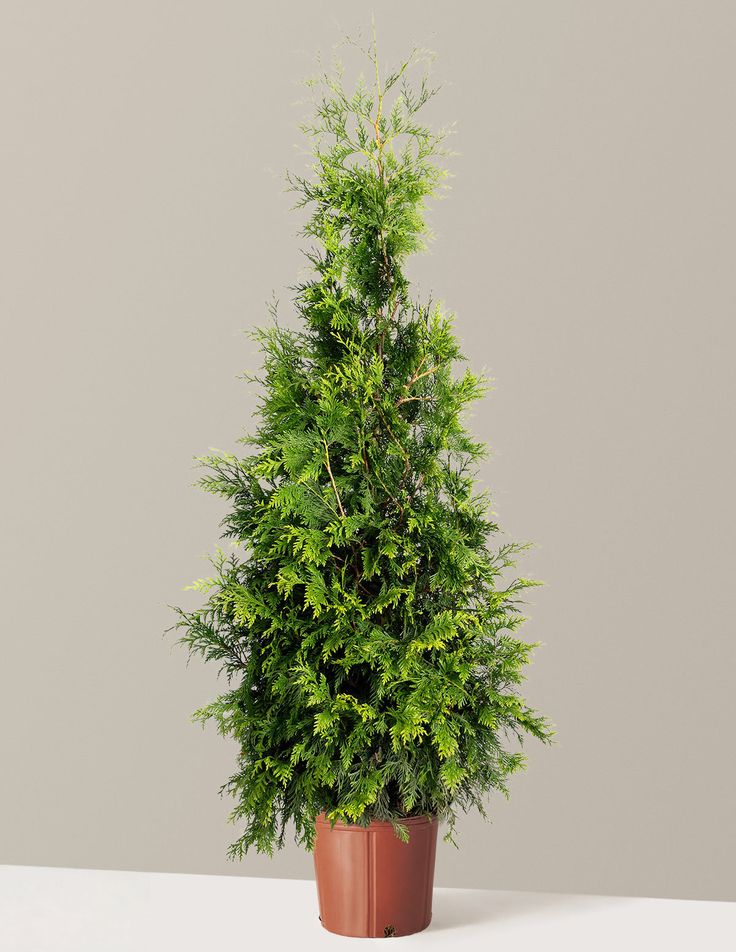
Thuja, also known as Arborvitae, is a hardy evergreen conifer admired for its dense, feathery foliage and naturally symmetrical shape. Ideal for hedges, borders, and privacy screens, Thuja thrives in full to partial sunlight and adapts well to various soil types. Its vibrant green leaves remain lush year-round, offering a timeless touch to gardens and outdoor spaces.

Low-maintenance and cold-tolerant, Thuja is perfect for formal landscaping or as a standalone ornamental plant. With its sculptural form and enduring greenery, it brings both beauty and function to any setting.

Share:

🌲 Thuja – The Evergreen Sentinel of Elegance and Privacy

Thuja, commonly known as Arborvitae, is a versatile and resilient evergreen conifer that has become a staple in ornamental landscaping and garden design. Belonging to the Cupressaceae family, Thuja is admired for its dense, lush foliage, symmetrical growth habit, and year-round greenery. Native to North America and parts of East Asia, this tree has been cultivated globally for its aesthetic charm, low maintenance, and practical utility.

Whether used as a privacy hedge, windbreak, or standalone specimen, Thuja adds structure, texture, and timeless beauty to any outdoor space.

🌿 Botanical Profile

  • Scientific Name: Thuja spp.
  • Common Names: Thuja, Arborvitae, White Cedar
  • Family: Cupressaceae
  • Origin: North America and East Asia
  • Plant Type: Evergreen coniferous tree or shrub

🌳 Appearance & Structure

Thuja plants are known for their dense, scale-like foliage arranged in flat sprays, giving them a soft, feathery texture. The leaves are bright to deep green, often aromatic when crushed, and remain vibrant throughout the year. Mature trees develop a pyramidal or columnar shape, making them ideal for formal hedges and borders.

  • Height: Varies by species; from 3–5 feet (dwarf varieties) to over 60 feet (giant cultivars)
  • Spread: 3–15 feet depending on variety and pruning
  • Foliage: Evergreen, scale-like, aromatic
  • Cones: Small, oval-shaped, brown when mature

🌞 Light & Environment

Thuja thrives in a wide range of climates and is especially valued for its cold hardiness and adaptability. It prefers full sun to partial shade and performs well in various soil types.

  • Light: Full sun to partial shade
  • Temperature: Hardy in zones 2–9 depending on species
  • Soil: Moist, well-draining; tolerates clay, loam, and sandy soils
  • Humidity: Moderate; drought-tolerant once established

💧 Watering & Maintenance

Thuja is relatively low-maintenance but benefits from regular care, especially during its early growth phase.

  • Watering: Deep watering weekly during dry spells; more frequent for young plants
  • Fertilizer: Balanced slow-release fertilizer in early spring
  • Pruning: Light shaping in late spring or early fall to maintain form
  • Mulching: Helps retain moisture and regulate root temperature

🌬️ Air-Purifying & Ecological Benefits

Thuja contributes to cleaner air by absorbing pollutants and releasing oxygen. Its dense foliage also provides shelter for birds and small wildlife, enhancing biodiversity in garden ecosystems.

🌱 Popular Varieties

Variety Features
Thuja occidentalis ‘Smaragd’ (Emerald Green) Compact, columnar; ideal for hedges
Thuja plicata ‘Green Giant’ Fast-growing, tall; excellent for privacy screens
Thuja occidentalis ‘Danica’ Dwarf, globe-shaped; perfect for borders
Thuja ‘Brabant’ Vigorous growth; tolerates heavy pruning
Thuja ‘Golden Globe’ Yellow-green foliage; adds color contrast

🎯 Uses in Landscaping

  • Privacy hedges and windbreaks
  • Foundation plantings
  • Formal garden borders
  • Container gardening (dwarf varieties)
  • Topiary and sculptural accents

Thuja’s uniform growth and evergreen nature make it a favorite for structured landscapes and year-round visual interest.

⚠️ Safety & Considerations

While Thuja is generally safe, its foliage contains essential oils that may cause mild skin irritation in sensitive individuals. It is not considered toxic but should not be ingested.

🎁 Ideal For

  • Residential and commercial landscaping
  • Garden design and outdoor architecture
  • Gifts for garden enthusiasts and nature lovers
  • Eco-friendly and low-maintenance plant collections

You may also like…