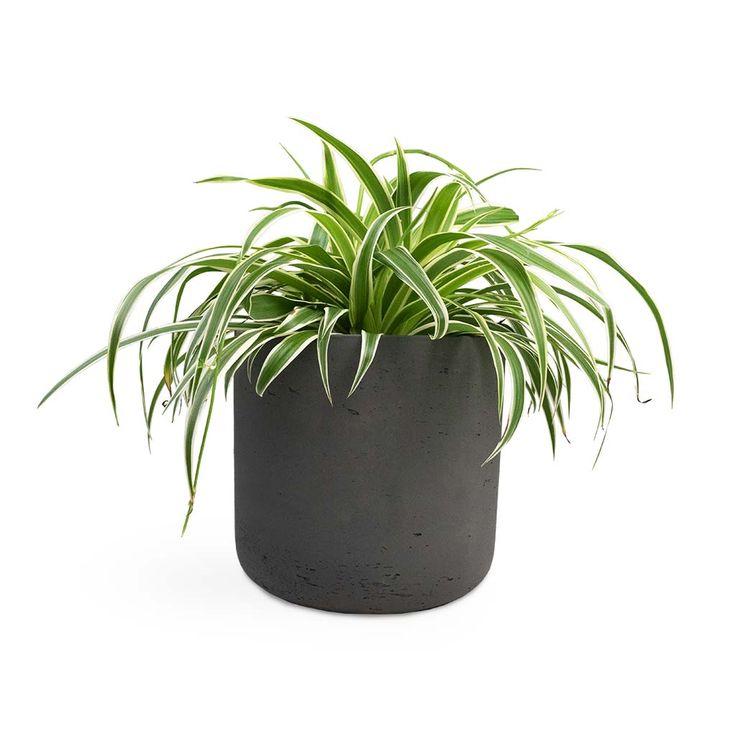
🕸️ Spider Plant – The Cascading Classic of Clean Air and Effortless Style
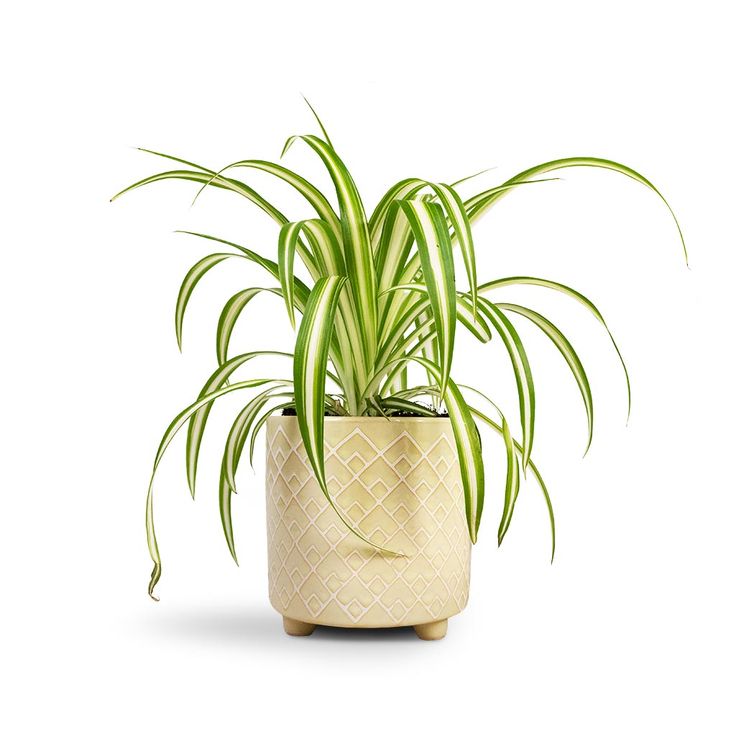
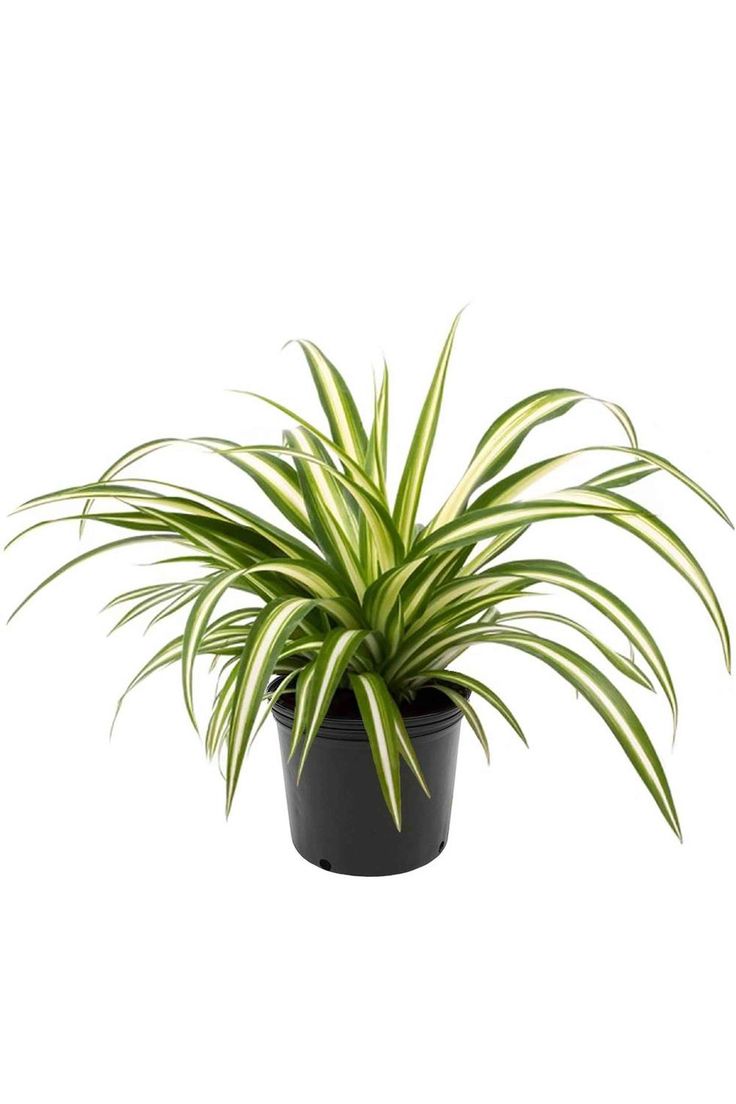
The Spider Plant, scientifically known as Chlorophytum comosum, is a timeless favorite among indoor plant enthusiasts. With its graceful, arching leaves and charming baby offshoots (often called “spiderettes”), this plant brings a refreshing burst of greenery and movement to any space. Native to tropical and southern Africa, the Spider Plant has become a global icon of low-maintenance beauty, air purification, and easy propagation.
Whether displayed in hanging baskets, tabletop pots, or grouped with other houseplants, the Spider Plant adds a touch of natural elegance and vitality to homes, offices, and public spaces.
🌿 Botanical Profile
- Scientific Name: Chlorophytum comosum
- Common Names: Spider Plant, Ribbon Plant, Airplane Plant
- Family: Asparagaceae
- Origin: Tropical Africa
- Plant Type: Herbaceous perennial
🌱 Appearance & Structure
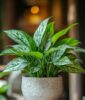
Spider Plants are known for their long, slender, arching leaves, which often feature striking green-and-white variegation. The leaves emerge in a rosette pattern and cascade gracefully, making them ideal for hanging planters. Mature plants produce delicate white flowers on long stems, followed by small plantlets that can be easily propagated.
- Height: 12–24 inches
- Spread: 18–36 inches
- Foliage: Linear, variegated or solid green
- Growth Habit: Clumping with trailing offshoots
🌞 Light & Environment
Spider Plants are highly adaptable and thrive in a variety of lighting conditions. They prefer bright, indirect light, but can tolerate partial shade and artificial lighting, making them perfect for indoor settings.
- Light: Bright, indirect sunlight; avoid harsh direct sun
- Temperature: 18–30°C (65–86°F)
- Humidity: Moderate to high; misting helps in dry climates
- Placement: Hanging baskets, shelves, windowsills, or tabletops
💧 Watering & Soil
Spider Plants prefer lightly moist, well-draining soil. They are sensitive to overwatering and fluoride in tap water, which can cause leaf tip browning. Using distilled or rainwater is ideal.
- Watering: Once a week; allow topsoil to dry between waterings
- Soil Type: Loamy, well-draining mix with neutral pH
- Drainage Tip: Ensure pots have drainage holes to prevent root rot
🌬️ Air-Purifying Benefits
Spider Plants are celebrated for their air-cleaning abilities. According to NASA’s Clean Air Study, they help remove indoor pollutants such as:
- Formaldehyde
- Carbon monoxide
- Xylene
- Benzene
This makes them not only decorative but also beneficial for respiratory health and indoor air quality.
🌱 Propagation & Growth
Spider Plants are among the easiest houseplants to propagate. Their baby plantlets can be snipped and rooted in water or soil, making them ideal for gifting or expanding your plant collection.
- Propagation Method: Plantlets from runners
- Growth Rate: Fast-growing under ideal conditions
- Repotting: Every 1–2 years or when root-bound
⚠️ Safety & Pet-Friendliness
Spider Plants are non-toxic to pets and humans, making them a safe choice for households with cats, dogs, or children. However, some pets may be tempted to nibble on the leaves due to their grassy texture.
🌟 Popular Varieties
| Variety | Features |
|---|---|
| Variegatum | Green leaves with white edges; classic look |
| Bonnie | Curled leaves with creamy-white stripes; compact |
| Hawaiian (Golden Glow) | Green leaves with golden variegation; elegant |
| Ocean | Cream-bordered leaves with green centers; soft contrast |
🎁 Ideal For
- First-time plant owners and busy professionals
- Air-purifying indoor plant collections
- Hanging baskets and vertical gardens
- Gifts for housewarmings, birthdays, or wellness kits
Aralia Variegated White Plant
Aglaonema-Snow White
Arelia Plant
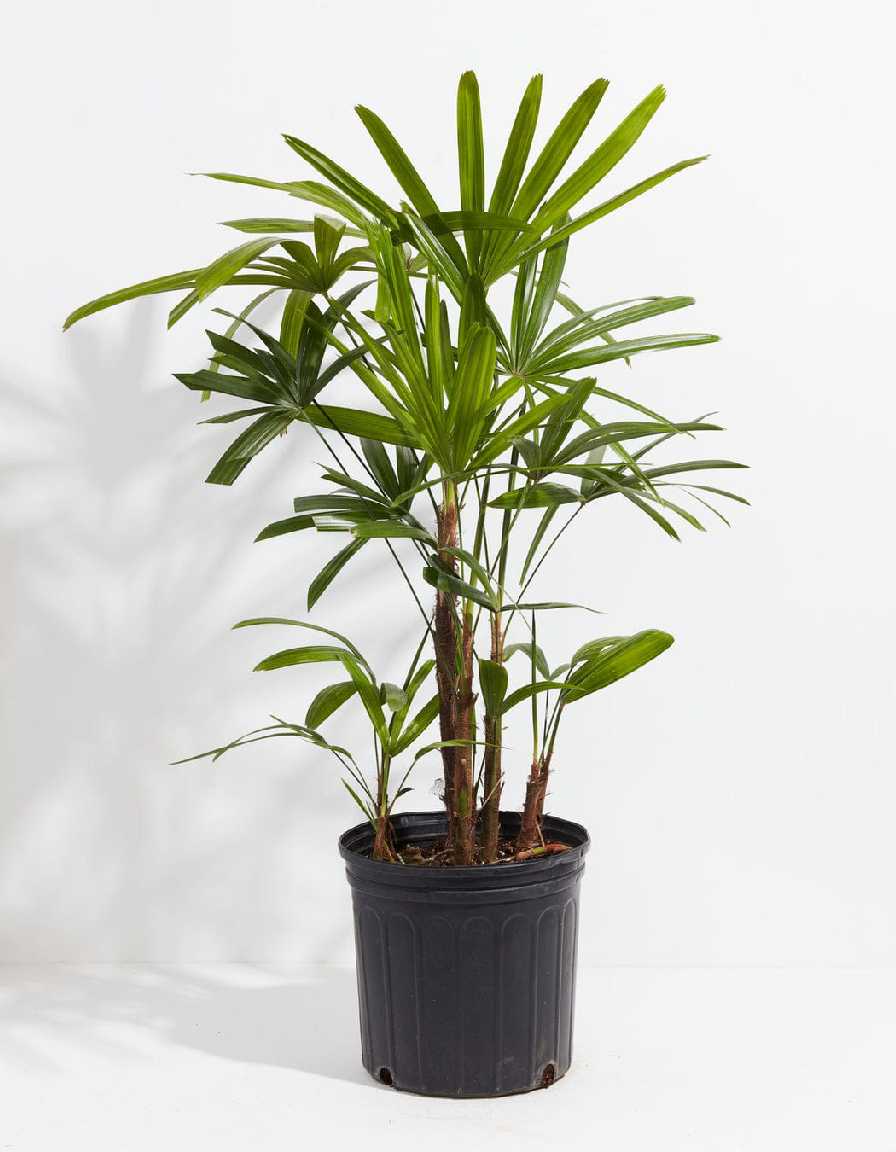
China Palm
Ixora Plant (Ixora coccinea)
Philodendron plant
Peace Lily
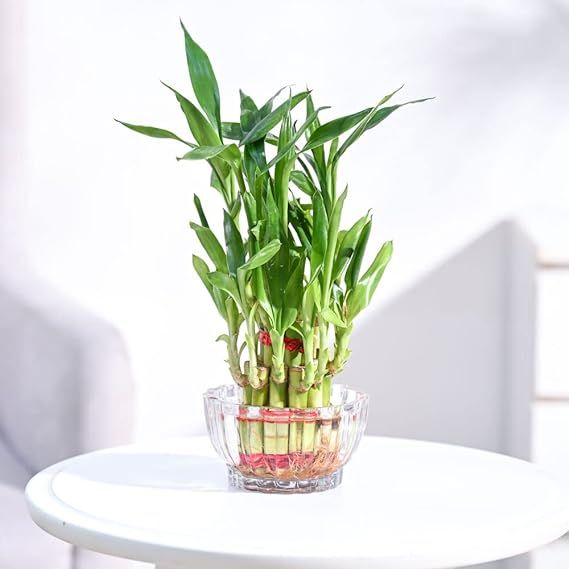
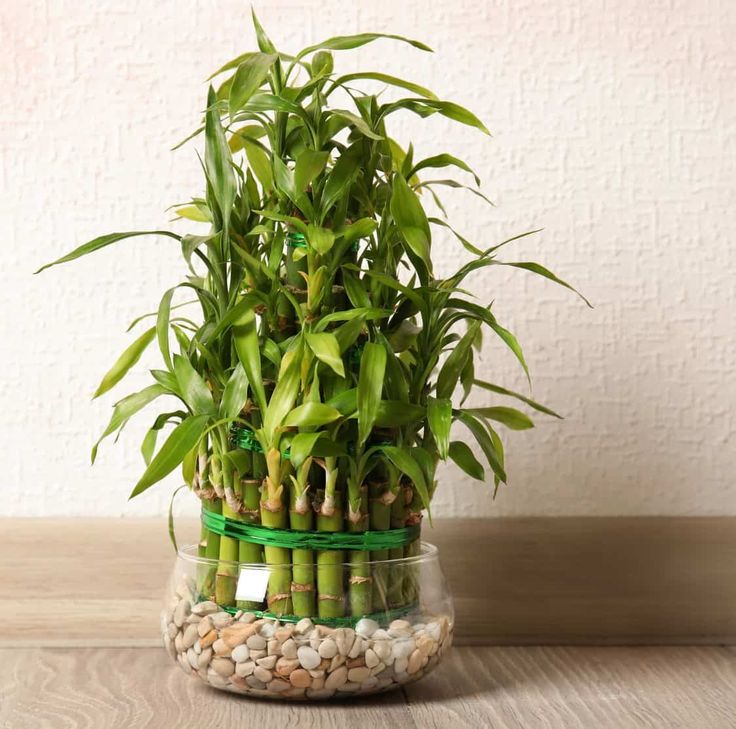
Lucky bamboo (3 Layer)
Tulsi Plant
Jade Plant
Golden Money Plant
Nikodia Plant
Eranthemum Red
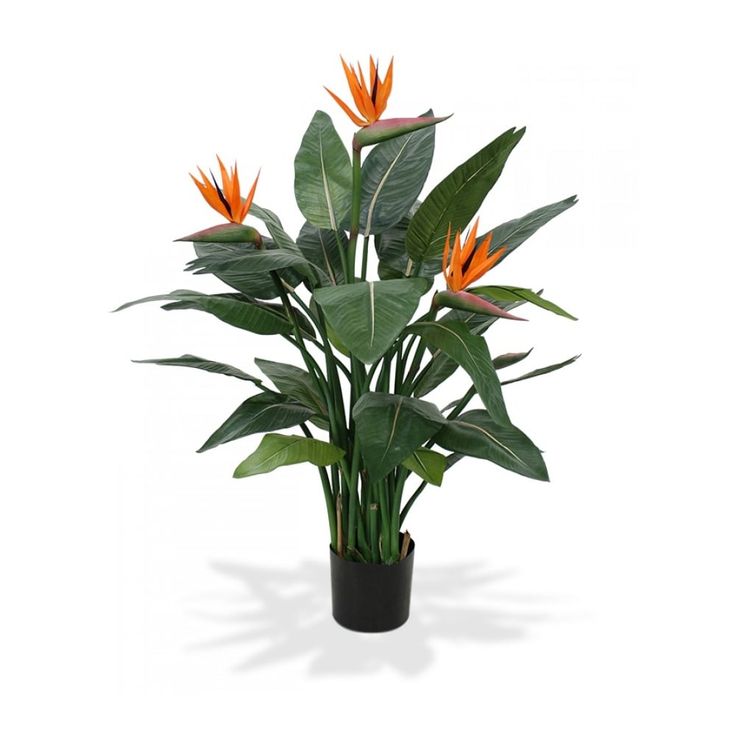
Bird Of Paradise
Money Plant
asperagus mery
Croton Petra
Indian Christmas Tree