🌿 Peace Lily (Spathiphyllum) – Elegance, Purity, and Effortless Charm
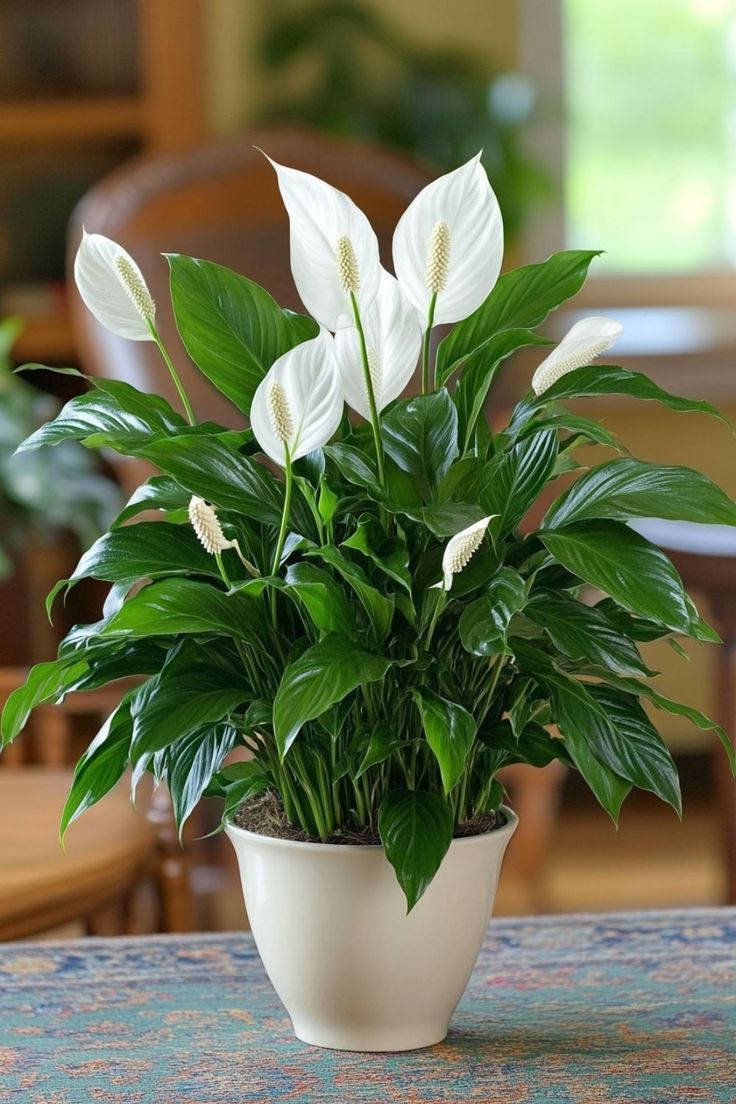
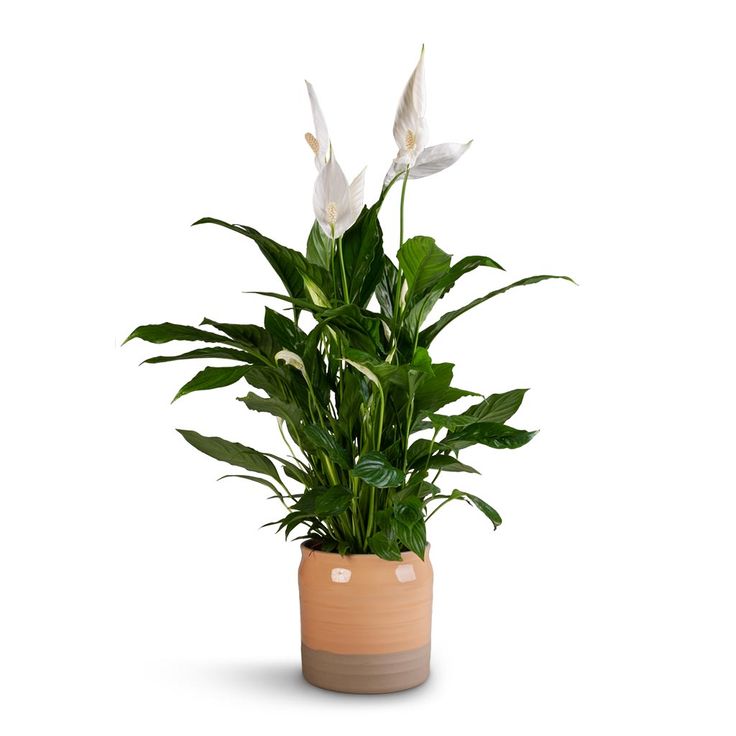
The Peace Lily, botanically known as Spathiphyllum, is a timeless favorite among indoor plant enthusiasts. With its graceful white blooms and lush green foliage, this tropical beauty brings a sense of serenity and sophistication to any space. Native to the rainforests of Central and South America and Southeast Asia, Peace Lilies thrive in low-light environments, making them perfect companions for homes, offices, and shaded interiors.
🌸 Botanical Overview
- Scientific Name: Spathiphyllum spp.
- Common Names: Peace Lily, White Sail Plant
- Family: Araceae
- Origin: Tropical regions of the Americas and Southeast Asia
- Plant Type: Evergreen perennial
🌼 Aesthetic Appeal
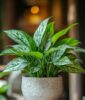
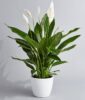
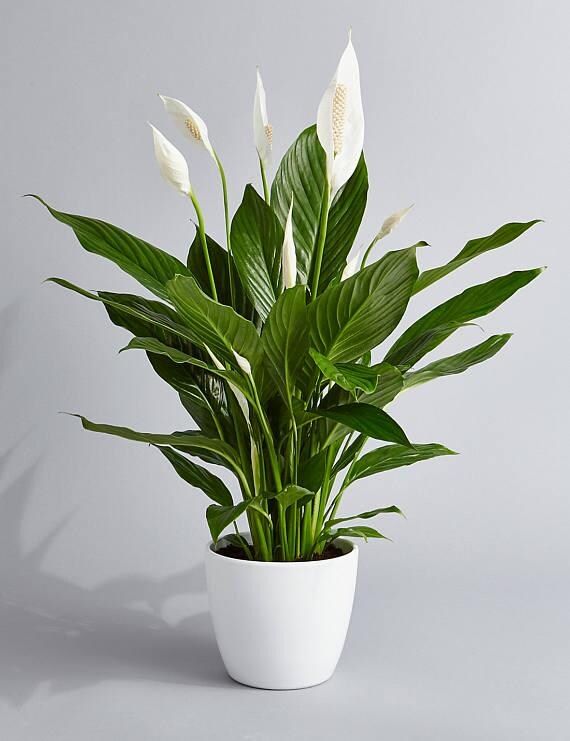
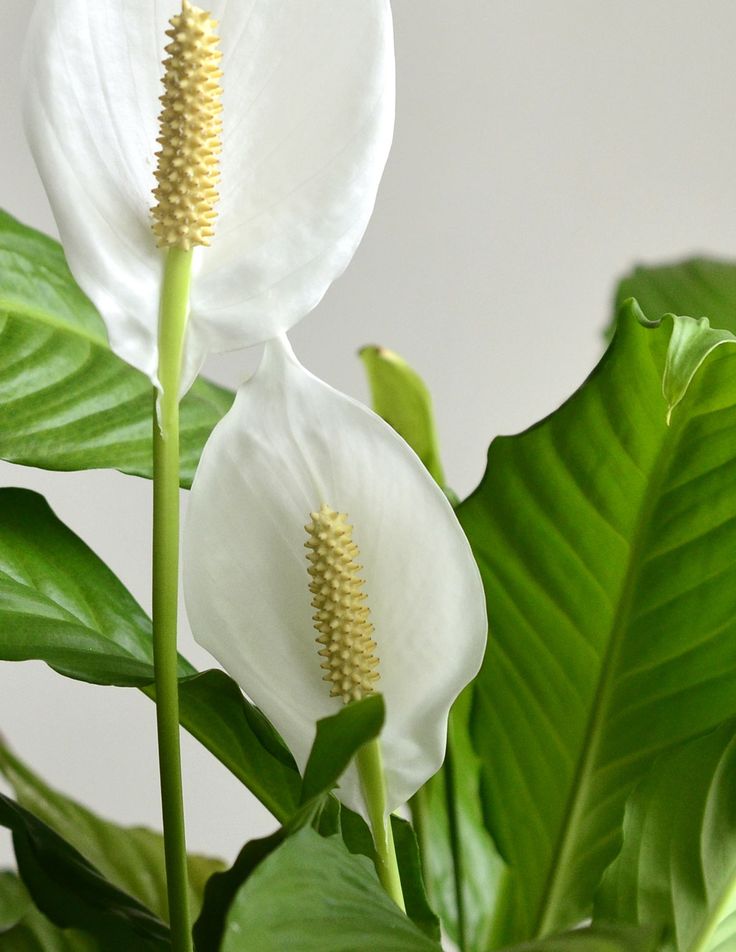
Peace Lilies are celebrated for their sculptural elegance. Their deep green, lance-shaped leaves grow in a dense, upright clump, creating a lush, tropical backdrop. The plant’s signature “flower” is actually a white spathe—a modified leaf that wraps around a central spadix, which holds the true, tiny flowers. This striking contrast between the dark foliage and pristine white bloom evokes a sense of purity and calm, making Peace Lilies a popular choice for minimalist and nature-inspired interiors.
🌿 Growth & Size
- Height: Typically 1 to 4 feet (30–120 cm), depending on the variety
- Spread: Similar to height; compact and upright growth habit
- Growth Habit: Clumping, with leaves and flowers emerging directly from the soil
🌞 Light & Environment
Peace Lilies are champions of low-light conditions. They flourish in indirect sunlight and shaded corners, making them ideal for indoor settings. While they can tolerate fluorescent lighting, brighter filtered light encourages more frequent blooming.
- Light: Low to medium indirect light
- Temperature: 18–27°C (65–80°F)
- Humidity: Prefers moderate to high humidity
💧 Watering & Care
Peace Lilies are relatively low-maintenance but communicate their needs clearly. When thirsty, their leaves droop dramatically—an unmistakable signal to water. They prefer consistently moist soil but dislike waterlogged roots.
- Watering: Once a week or when leaves begin to droop
- Soil: Well-draining potting mix
- Fertilizer: Monthly during growing season (spring to summer)
🌬️ Air-Purifying Qualities
One of the Peace Lily’s most celebrated features is its ability to purify indoor air. NASA’s Clean Air Study identified it as effective in removing toxins like:
- Formaldehyde
- Benzene
- Trichloroethylene
- Ammonia
This makes Peace Lilies not just decorative, but functional—enhancing both the beauty and health of your living space.
🧪 Toxicity Warning
While Peace Lilies are stunning, they are toxic to pets and humans if ingested. Their leaves contain calcium oxalate crystals, which can cause irritation, drooling, and vomiting. Keep them out of reach of children and animals.
🌱 Popular Varieties
- Sensation: Large, dramatic leaves; ideal for spacious interiors
- Domino: Variegated foliage with white streaks
- Piccolino: Compact and perfect for tabletops
- Mauna Loa Supreme: Medium-sized with glossy leaves
Explore more varieties on India Gardening’s Peace Lily guide.
🌸 Blooming Cycle
Peace Lilies typically bloom in spring and summer, but under ideal indoor conditions, they may flower sporadically year-round. Each bloom lasts for several weeks, gradually turning green before fading—a natural part of its life cycle.
Whether you’re curating a tranquil home environment, enhancing office aesthetics, or simply indulging in the joy of plant care, the Peace Lily offers a perfect blend of beauty, resilience, and wellness. Its graceful presence and air-purifying qualities make it a must-have for any indoor plant collection.
Let me know if you’d like a shorter version or product-specific adaptation for pots, planters, or gift sets!
Aralia Variegated White Plant
Aglaonema-Snow White
Arelia Plant
China Palm
Ixora Plant (Ixora coccinea)
Philodendron plant
Peace Lily
Lucky bamboo (3 Layer)
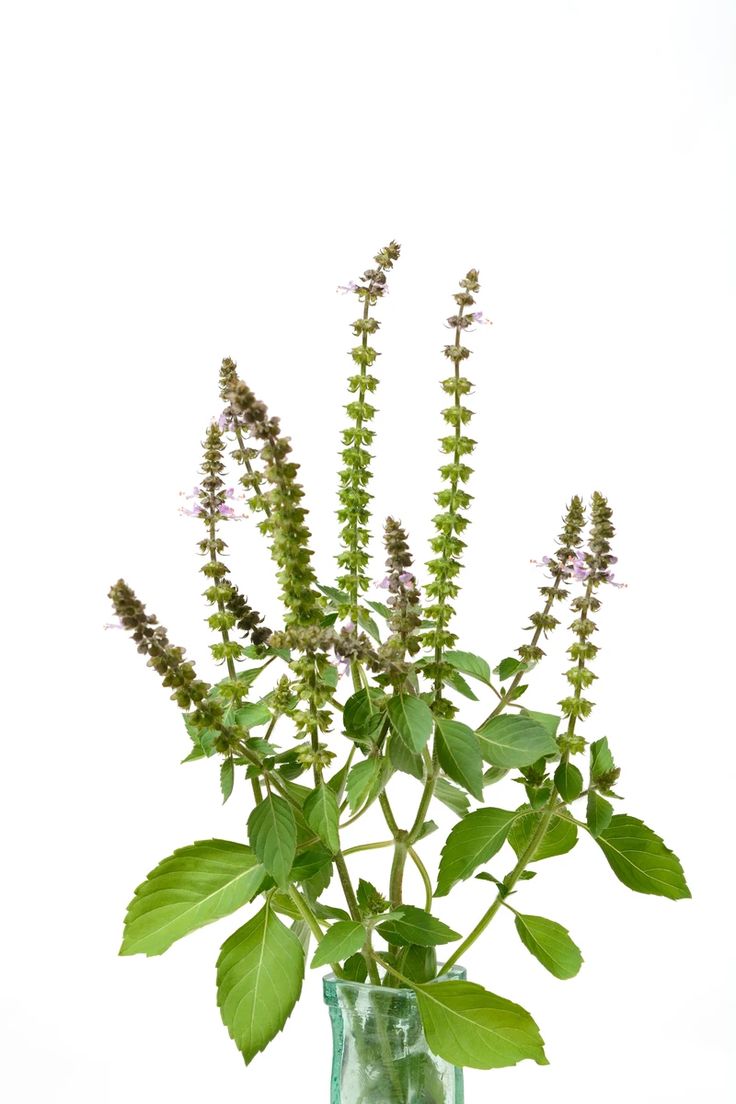
Tulsi Plant
Jade Plant
Golden Money Plant
Nikodia Plant
Eranthemum Red
Bird Of Paradise
Money Plant
asperagus mery
Croton Petra
Indian Christmas Tree
Anthurium
Snake Plant
Areca Palm