🍋 Lemon Plant (Citrus limon) – Fragrant, Fruitful & Full of Life
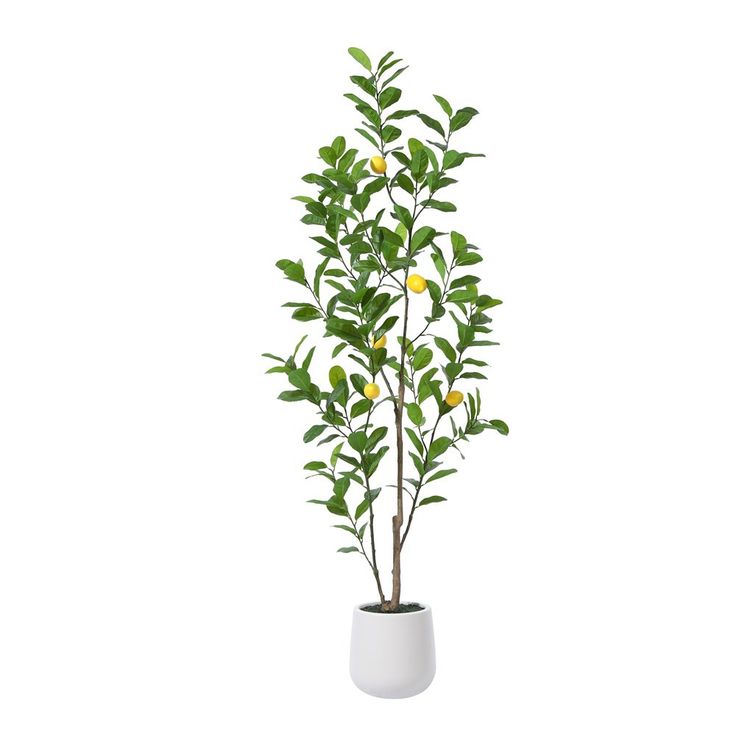
The Lemon Plant, scientifically known as Citrus limon, is a small evergreen tree celebrated for its vibrant yellow fruits, aromatic blossoms, and lush green foliage. Native to the eastern Himalayas and widely cultivated across tropical and subtropical regions, this versatile plant is a favorite in home gardens, orchards, and patios for both its ornamental appeal and culinary value.
With its glossy leaves, fragrant white-purple flowers, and tangy, vitamin-rich fruits, the Lemon Plant offers year-round beauty and utility. Whether grown in the ground or in containers, it brings freshness, flavor, and fragrance to any space.
🌿 Botanical Profile
- Scientific Name: Citrus limon
- Common Name: Lemon Plant
- Family: Rutaceae
- Origin: Eastern Himalayas; widely cultivated in India and Mediterranean regions
- Plant Type: Evergreen fruit tree
🌱 Growth Habit & Appearance
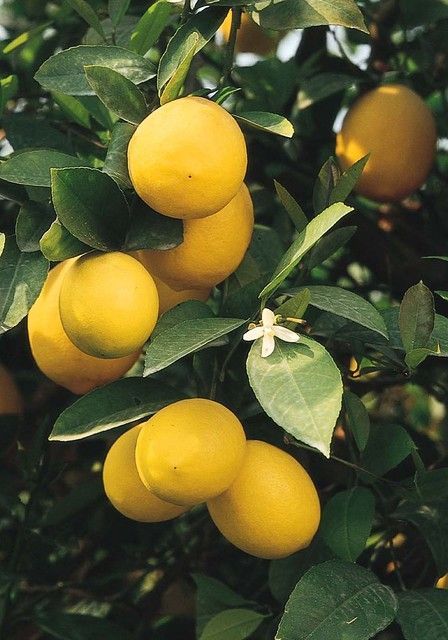
The Lemon Plant typically grows to a height of 3–6 meters (10–20 feet), with a spreading, upright structure and few large branches. Its foliage is made up of oblong, light green leaves that are leathery and aromatic when crushed. The plant produces clusters of purple-tinged white flowers, which bloom throughout the year, especially in spring and early summer.
- Leaves: Glossy, oval, aromatic
- Flowers: White with purple edges, fragrant
- Thorns: Present on branches, especially in younger plants
- Fruit: Oval to ellipsoid, bright yellow when ripe, with segmented pulp and a thick rind
🍋 Fruit Characteristics
Lemon fruits are known for their:
- High citric acid content (5–6%), giving them a sharp, tangy flavor
- Rich vitamin C levels, supporting immunity and skin health
- Juicy, segmented pulp, ideal for beverages, cooking, and natural remedies
- Essential oils in the rind, used in aromatherapy and cleaning products
The fruit is typically harvested 2–3 times a year, depending on climate and care, with peak seasons in summer and winter.
🌞 Climate & Soil Requirements
Lemon Plants thrive in warm, subtropical climates with plenty of sunlight and well-drained soil. They are sensitive to frost and perform best in regions with moderate humidity and temperatures between 26–28°C (79–82°F).
- Light: Full sun (6–8 hours daily)
- Soil: Sandy loam or well-drained fertile soil
- pH Range: 6.0 to 7.5
- Watering: Moderate; allow topsoil to dry slightly between waterings
Avoid waterlogged conditions, which can lead to root rot. Mulching helps retain moisture and regulate soil temperature.
🌬️ Air-Purifying & Medicinal Benefits
Lemon Plants not only beautify your space but also offer health benefits:
- Air purification: Their foliage helps filter indoor air pollutants
- Medicinal uses: Lemon juice acts as a natural antiseptic, astringent, and digestive aid
- Aromatherapy: The essential oils from leaves and rind are refreshing and uplifting
✂️ Maintenance & Propagation
Lemon Plants are relatively easy to maintain:
- Pruning: Light pruning to shape and remove dead or diseased branches
- Fertilization: Balanced NPK fertilizer every 4–6 weeks during growing season
- Propagation: Commonly done through grafting or budding for better fruit quality
Young plants begin fruiting within 2–3 years, and mature trees can live and produce fruit for decades.
🐛 Pest & Disease Management
Common pests include:
- Aphids
- Citrus leaf miners
- Mealybugs
Diseases such as canker, greening, and powdery mildew can affect the plant. Use neem oil sprays or organic pest control methods for prevention and treatment.
🎁 Ideal For
- Home gardens and kitchen orchards
- Terrace and balcony planters
- Organic fruit farming
- Culinary and wellness enthusiasts
Anthurium
Jade Plant
Aralia Variegated White Plant
China Palm
Buddha Bamboo
Chinese Croton (Excoecaria cochinchinensis)

Aglaonema-Snow White
Nikodia Plant