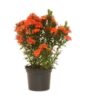
🍁 Eranthemum Red Plant – A Splash of Bold Color for Your Garden or Home
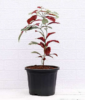
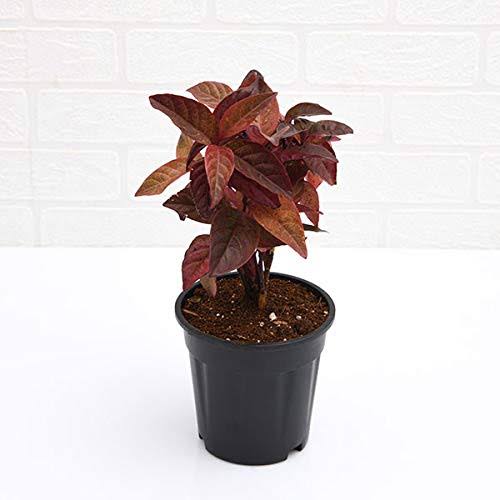
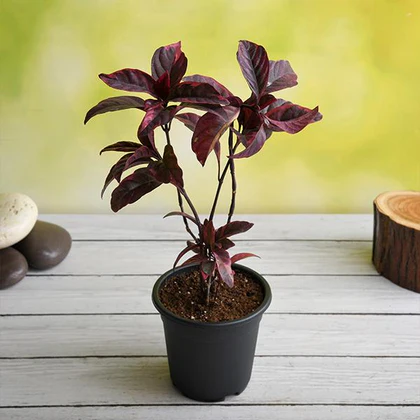
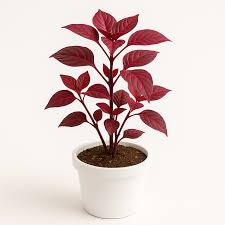
Add instant vibrance and visual drama to your space with the Eranthemum Red Plant, a stunning ornamental shrub prized for its deep red to burgundy foliage and lush, compact growth. Also known as Eranthemum nigrum or Red Eranthemum, this plant is perfect for bringing contrast and rich color to landscapes, borders, balcony gardens, and indoor settings.
Unlike flowering plants that bloom seasonally, the Eranthemum Red provides year-round beauty through its richly pigmented leaves, making it an excellent choice for both decorative and structural use in your plant collection.
✅ Quick Overview:
-
Botanical Name: Eranthemum nigrum
-
Common Name: Eranthemum Red, Red Eranthemum
-
Plant Type: Ornamental Foliage Plant / Shrub
-
Placement: Outdoor (semi-shade to full sun) / Indoor (bright, indirect light)
-
Foliage Color: Deep Red to Burgundy
-
Light Requirement: Partial shade to full sunlight
-
Watering: Moderate – prefers consistently moist but well-draining soil
-
Growth Habit: Bushy, upright, and compact
-
Mature Height: 1.5 to 3 feet (can be pruned as desired)
-
Maintenance: Low
🌟 Key Features:
🍃 Bold, Colorful Foliage
The standout feature of the Eranthemum Red is its luxurious deep red leaves, which provide a vibrant contrast against green surroundings. Whether planted solo in a decorative pot or used in a group for hedging or edging, its foliage brings warmth, energy, and style to any garden or room.
🏡 Perfect for Indoor & Outdoor Use
This plant adapts well to containers, balcony gardens, patios, and even indoor spaces. When grown indoors, place it in a bright spot to maintain its vivid leaf color. Outdoors, it thrives in semi-shaded areas, such as under taller plants or near east- or west-facing walls.
✂️ Easy to Maintain & Shape
The Eranthemum Red grows in a compact, bushy form and responds well to pruning, allowing you to maintain its size and shape with ease. It’s ideal for use as a low hedge, border plant, or a colorful filler in mixed plantings.
🌬️ Air-Purifying Qualities
Besides its aesthetic appeal, Eranthemum Red also contributes to cleaner indoor air, helping filter toxins and release oxygen when placed in home or office environments.
🛠️ Care Instructions:
-
Sunlight: Best grown in partial shade to filtered sunlight. Too much direct sun may cause leaf burn, while too little light may dull the leaf color.
-
Watering: Keep the soil consistently moist, but avoid waterlogging. Water when the top inch of soil feels dry.
-
Soil: Prefers well-draining, fertile soil enriched with organic matter.
-
Temperature: Thrives in warm climates (18°C–32°C). Protect from frost and extreme cold.
-
Fertilizer: Apply a balanced liquid fertilizer once a month during the growing season (spring to early autumn).
-
Pruning: Trim regularly to encourage bushier growth and remove any faded or damaged leaves.
🎯 Ideal For:
-
Tropical and ornamental gardens
-
Balcony and terrace plant displays
-
Indoor decorative plant arrangements
-
Borders, edging, and low hedges
-
Adding color contrast in green plant collections
-
Housewarming or decorative plant gifts
📦 What You’ll Receive:
-
A healthy, live Eranthemum Red Plant in a nursery pot
-
Grown with care and ready for transplanting or display
-
Securely packaged to ensure freshness and safe delivery
-
Basic care guide included
🌱 Why Choose Eranthemum Red?
If you’re looking to brighten up your garden or indoor space with minimal effort, the Eranthemum Red Plant is a perfect choice. Its striking color, low-maintenance nature, and versatile use across garden styles make it a favorite for both new plant parents and experienced gardeners. Whether planted solo or as part of a mixed display, this plant delivers instant color and lasting impact.
Aglaonema-Snow White
Song of India
Snake Plant
Areca Palm
Bird Of Paradise
Rhapis Palm
China Palm
Red Rose
Lemon Plant (Citrus lemon)
Nikodia Plant
ZZ plant
Ixora Plant (Ixora coccinea)
Peace Lily
Silver Pine plant
Golden Money Plant
Money Plant
Indian Christmas Tree
Chinese Croton (Excoecaria cochinchinensis)
Jade Plant
Thuja plant
Triangle Palm
Philodendron plant
Tulsi Plant
Syngonium (Green)
Aglaonema lipstick
Croton Petra